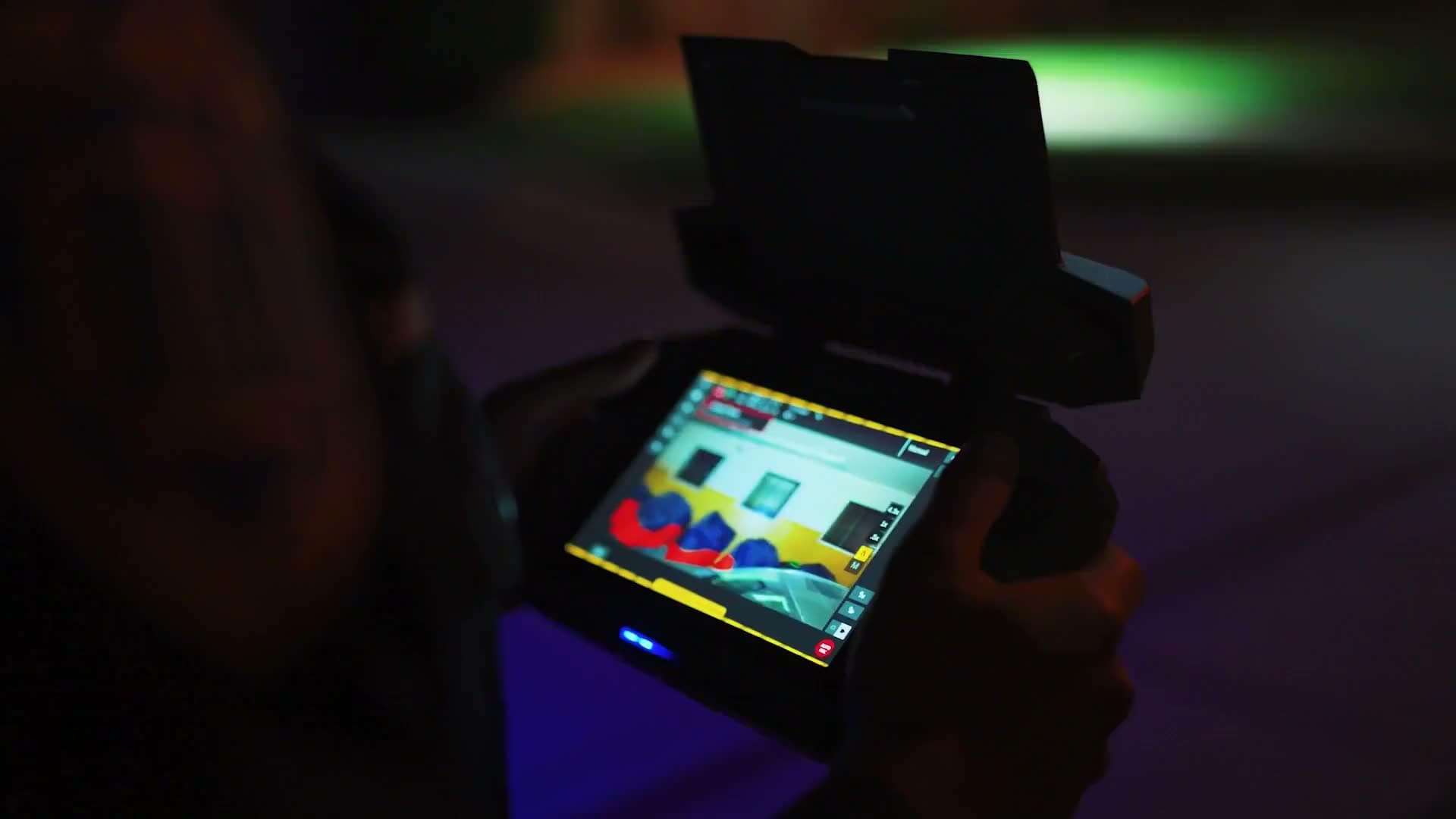
Drone Engineering
Drone engineering for performance and manufacturability
We have the industry knowledge and proven processes to develop the product you envision while accounting for the tough realities: schedule, budget, and manufacturability.
What we do
Areas of expertise
Ten disciplines under one platform, in the order a program needs them. Requirements come first; everything after is built on that answer.
Product requirements
What the aircraft has to do, written down and agreed, before anything is drawn.
Industrial design
How it looks and how it is handled, decided while the shape can still change.
Aerospace engineering and simulation
Aerodynamics, structures and flight loads, modelled before they are flown.
Electrical engineering
Boards, harnessing and the electrical architecture of the whole aircraft.
Power systems
Batteries, distribution and thermal budget. Part of the electrical work, and large enough to name.
Software engineering
Embedded firmware, flight software and the ground-side tooling that goes with it.
SLAM
Simultaneous localization and mapping, for flying where there is no satellite fix.
Custom sensor fusion
Combining what several sensors report into one reading the aircraft can act on.
Mechanical engineering
Airframe, mechanisms and the detail that decides whether it can be built.
Prototyping and testing
Building it, flying it, and finding what the model did not.
Track record
We’re positioned to win
Through Guinn Partners, the team has helped develop more than 60 products for leading consumer, enterprise, aerospace, robotics, and government-facing brands.
Ascendant AI brings that accumulated experience together to build the next generation of American-made drone products, manufacturing infrastructure, and connected autonomous systems.
Programs delivered by our team, including through Guinn Partners.
More about the teamWhat goes wrong, and what we do about it
Drones are hard, and experience is the difference
Drone companies struggle to evaluate product market fit and to move from concept to production. Many teams can design prototypes but cannot scale into reliable products.
Buyers ask for ruggedness, repeatability, serviceability and supply-chain awareness, and a prototype answers none of them on paper. Nine capabilities stand between the two.
- Product development
- Embedded systems
- Radio communications
- Flight testing
- Design for manufacturing
- Low-rate initial production
- Supply-chain sourcing against NDAA requirements
- Preparing for Green and Blue UAS certification
- Domestic mass production
The five ways a drone program stalls
Every one of these is a failure somebody has already had. The answer beside it is the practice that prevents it, and the six stages below are where it happens.
- Requirements remain vague
- Define measurable mission and product requirements.
- Subsystems are selected independently
- Validate system-level architecture and interfaces.
- Manufacturing begins too late
- Introduce DfM, sourcing and test planning early.
- Flight failures are poorly documented
- Maintain controlled test, failure and resolution records.
- Prototype knowledge stays with individuals
- Produce reusable technical and production documentation.
Ways to engage
Bring us in where the work is
Flexible engineering support from targeted work packages to full system development.
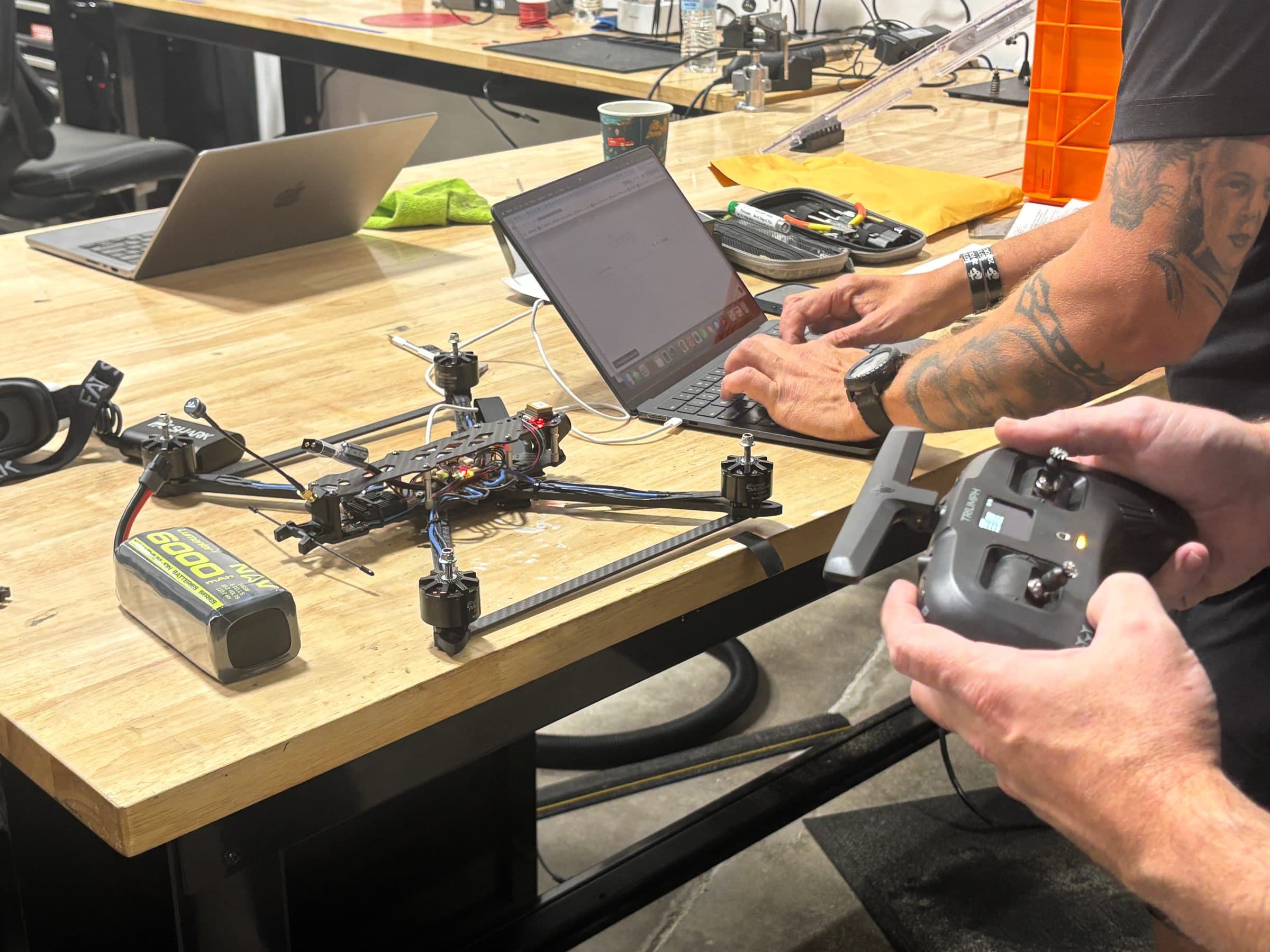
Targeted work package
Solve a defined subsystem, integration, testing, or design problem.
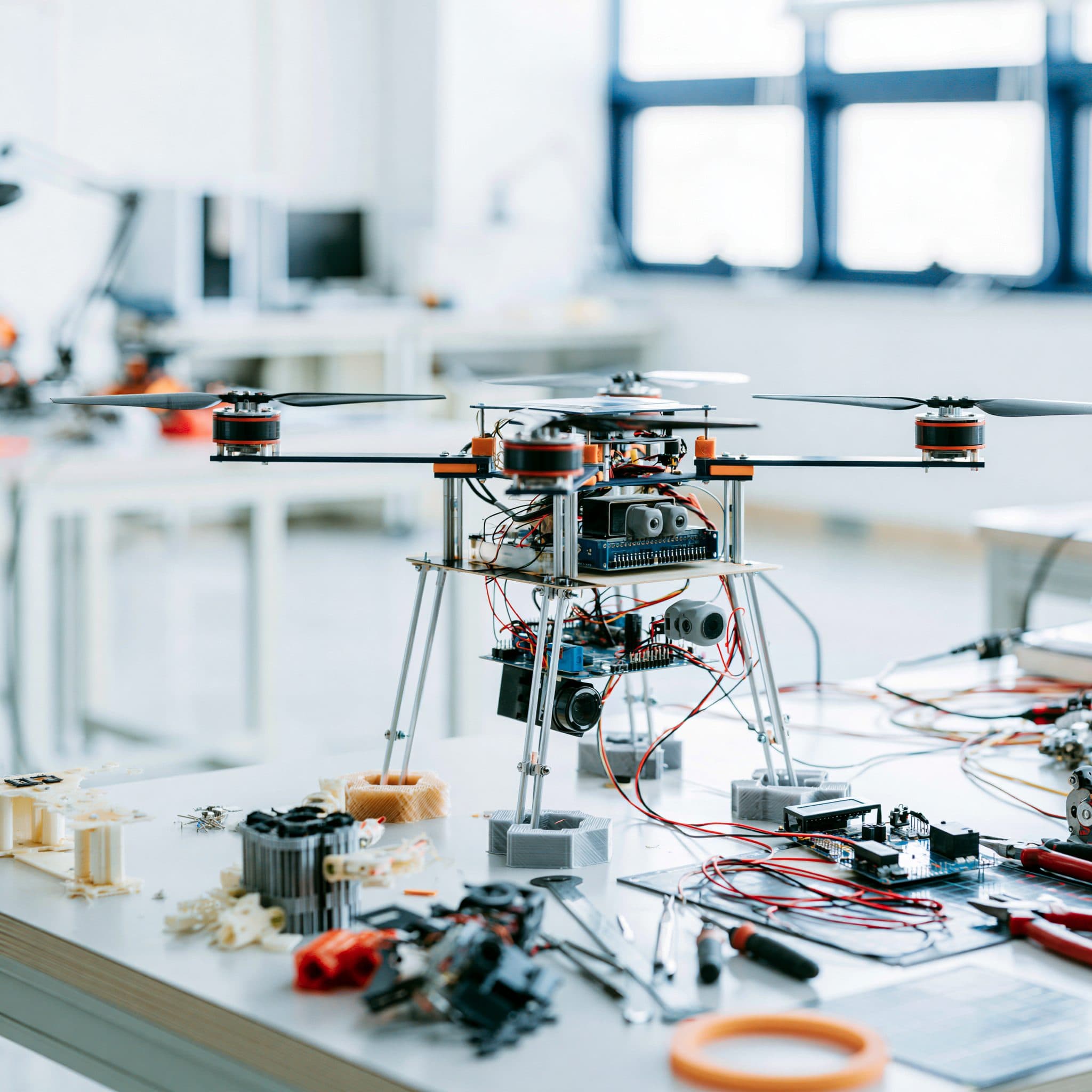
Critical subsystem development
Own the architecture and delivery of a major aircraft subsystem.
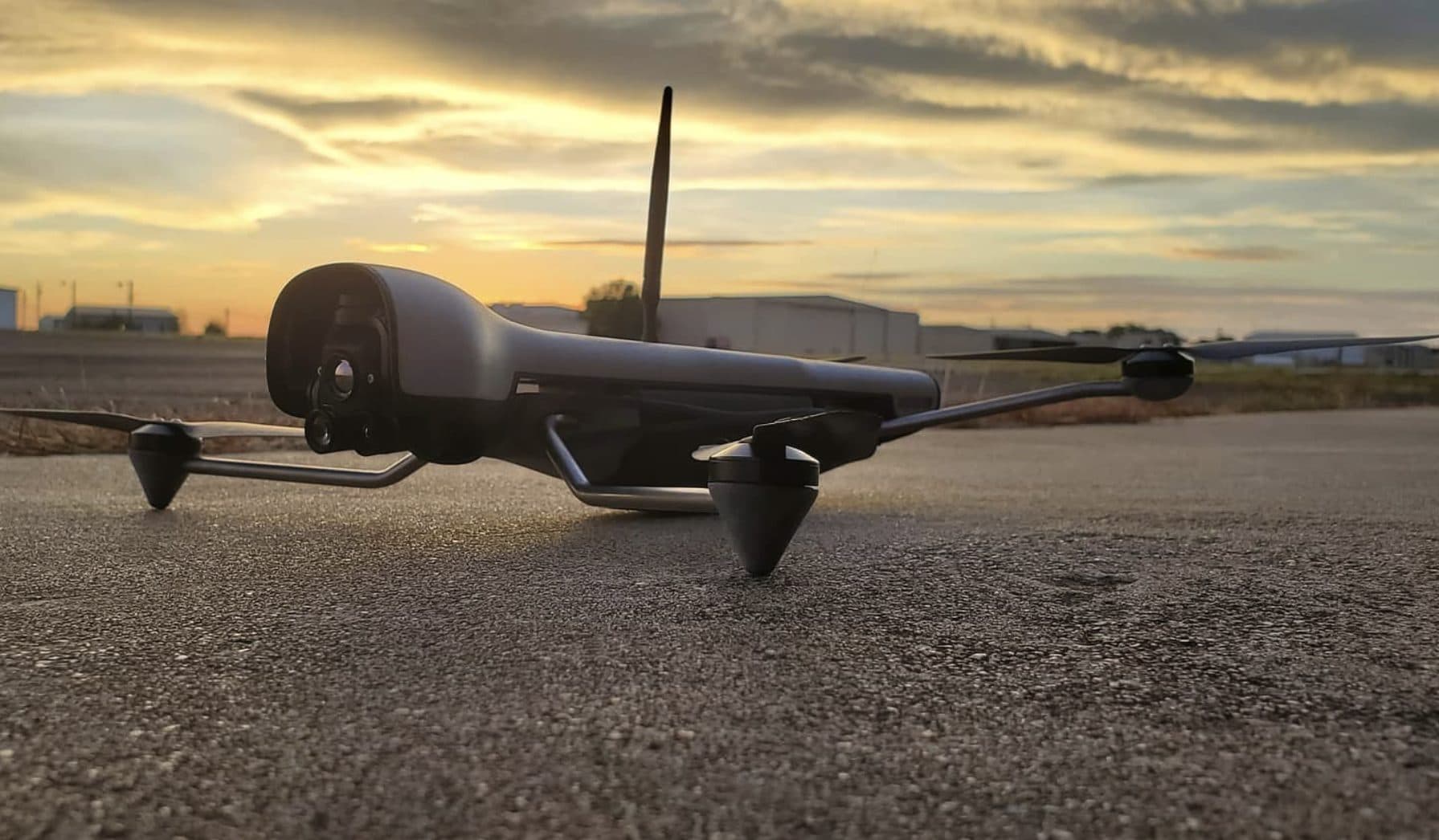
Full-system development
Support the complete journey from requirements through manufacturing handoff.
Programs delivered by our team, including through Guinn Partners.
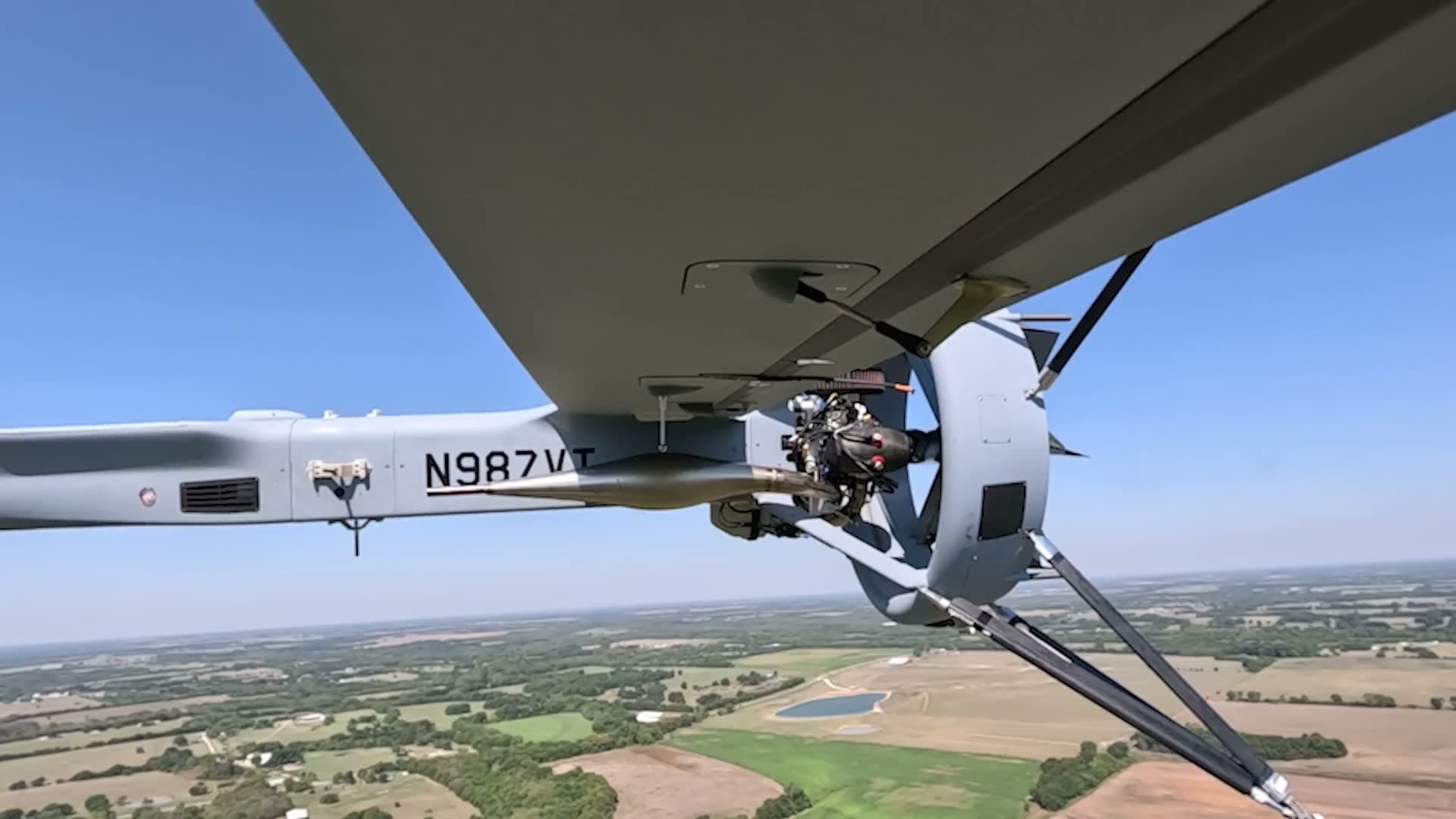
The process
Six stages, each with something you can hold.
Every stage names the work and the deliverable it produces.
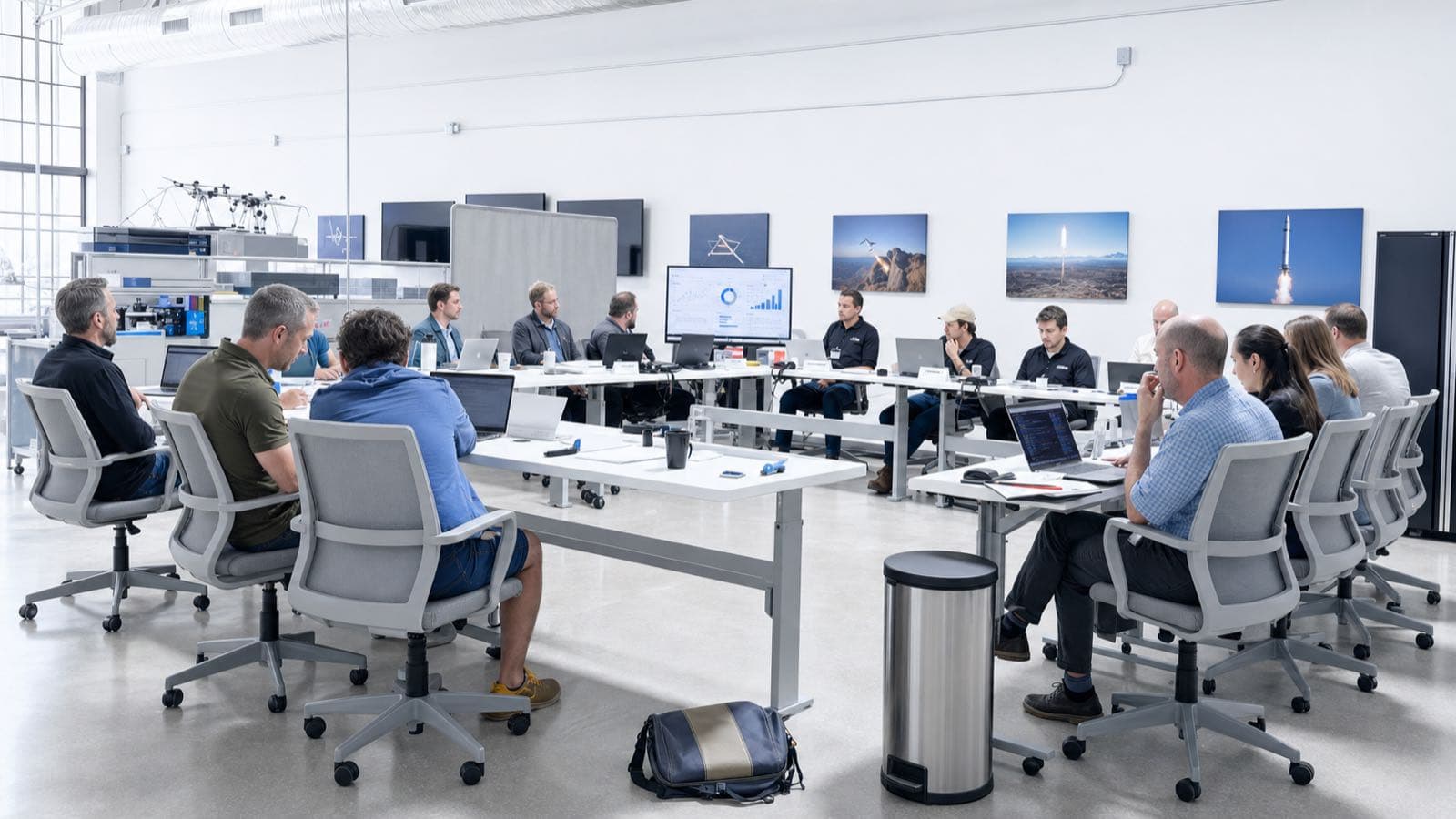
Discovery and Requirements
Define mission, users, constraints, architecture, and success metrics.
- You get
- Requirements and success criteria, written down
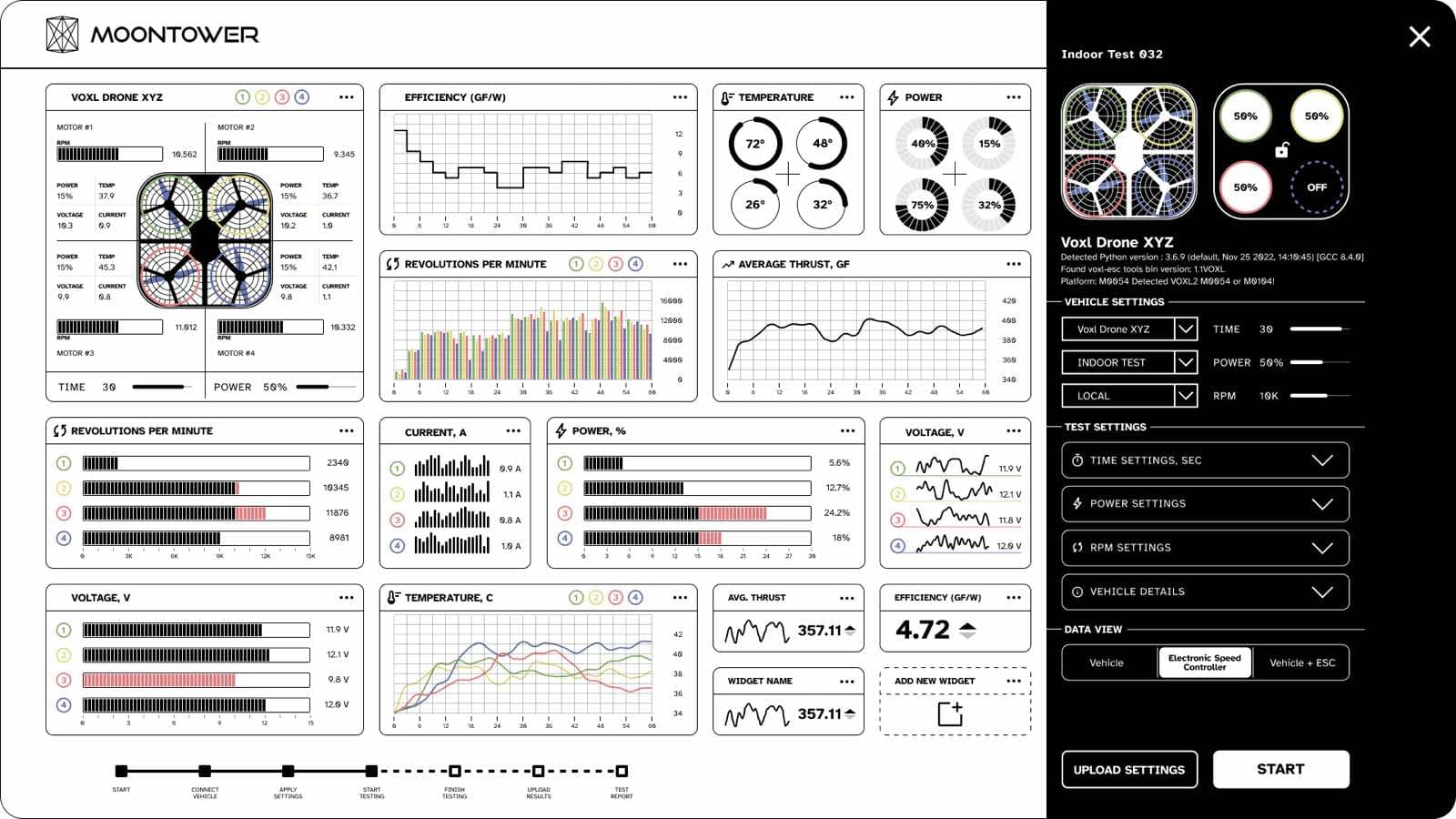
Architecture and Feasibility
Downselect subsystems, validate technical approach, identify risk.
- You get
- A system architecture, and the risks that go with it
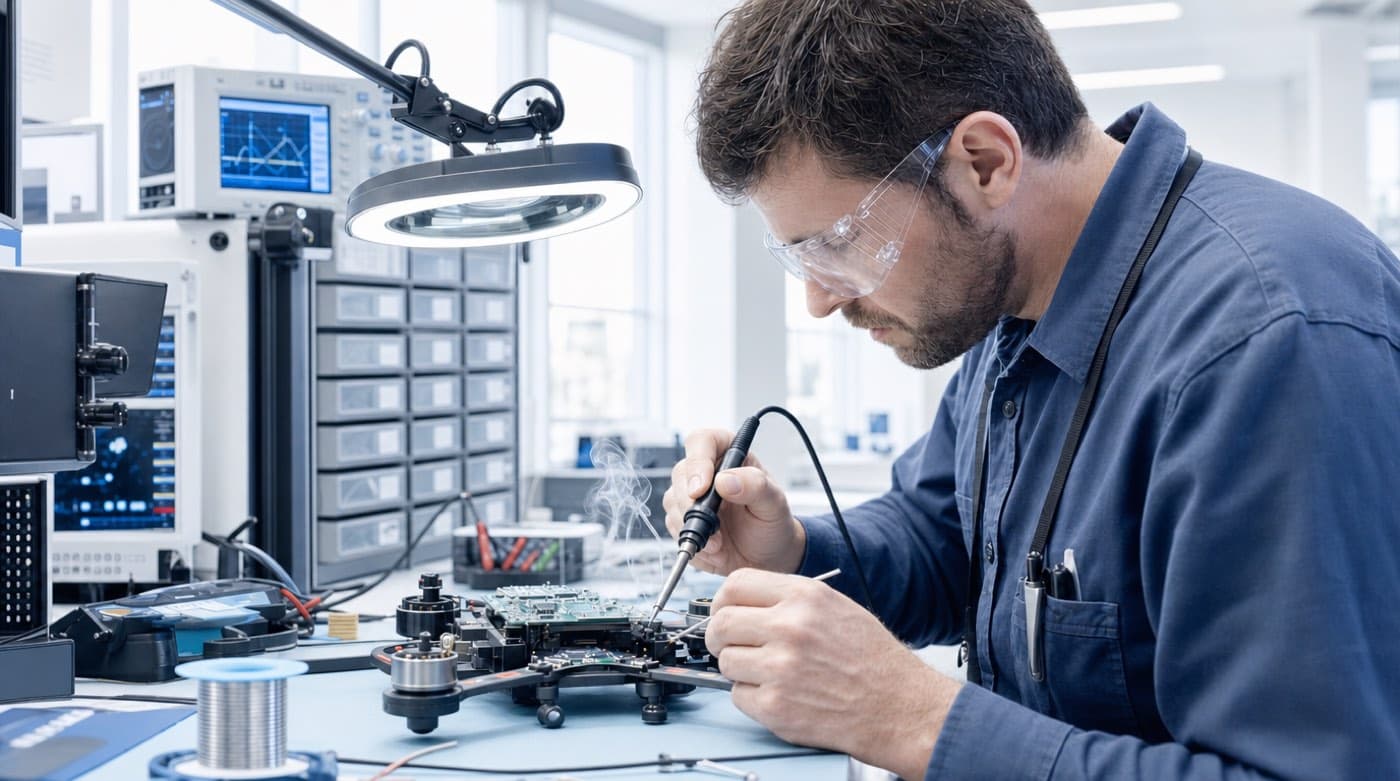
Prototype Development
Design, build, integrate, and demonstrate the system.
- You get
- Integrated prototype and build documentation
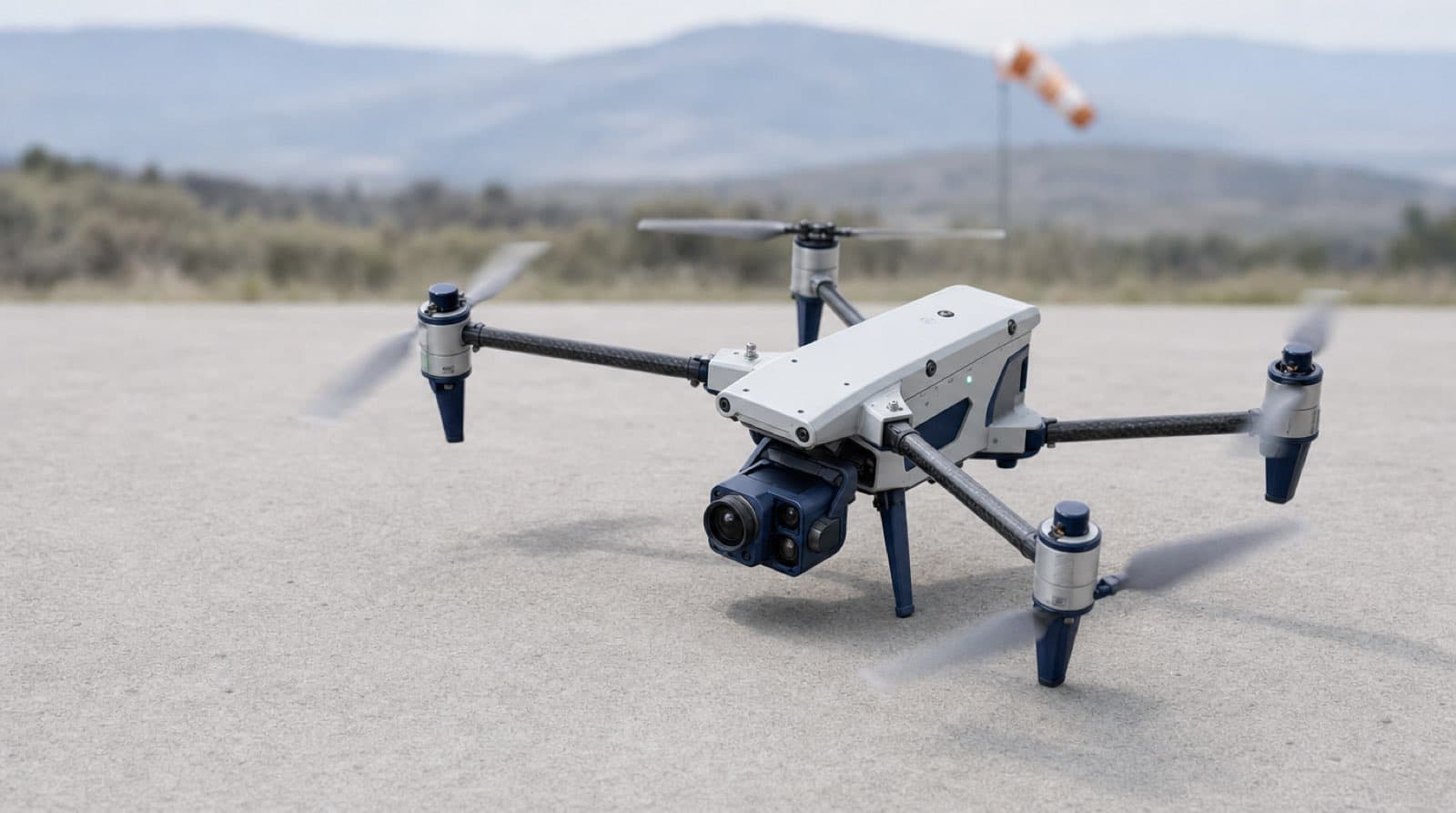
Integration and Flight Testing
Flight test, validate performance, resolve failures, improve reliability.
- You get
- Test reports and a resolved failure log
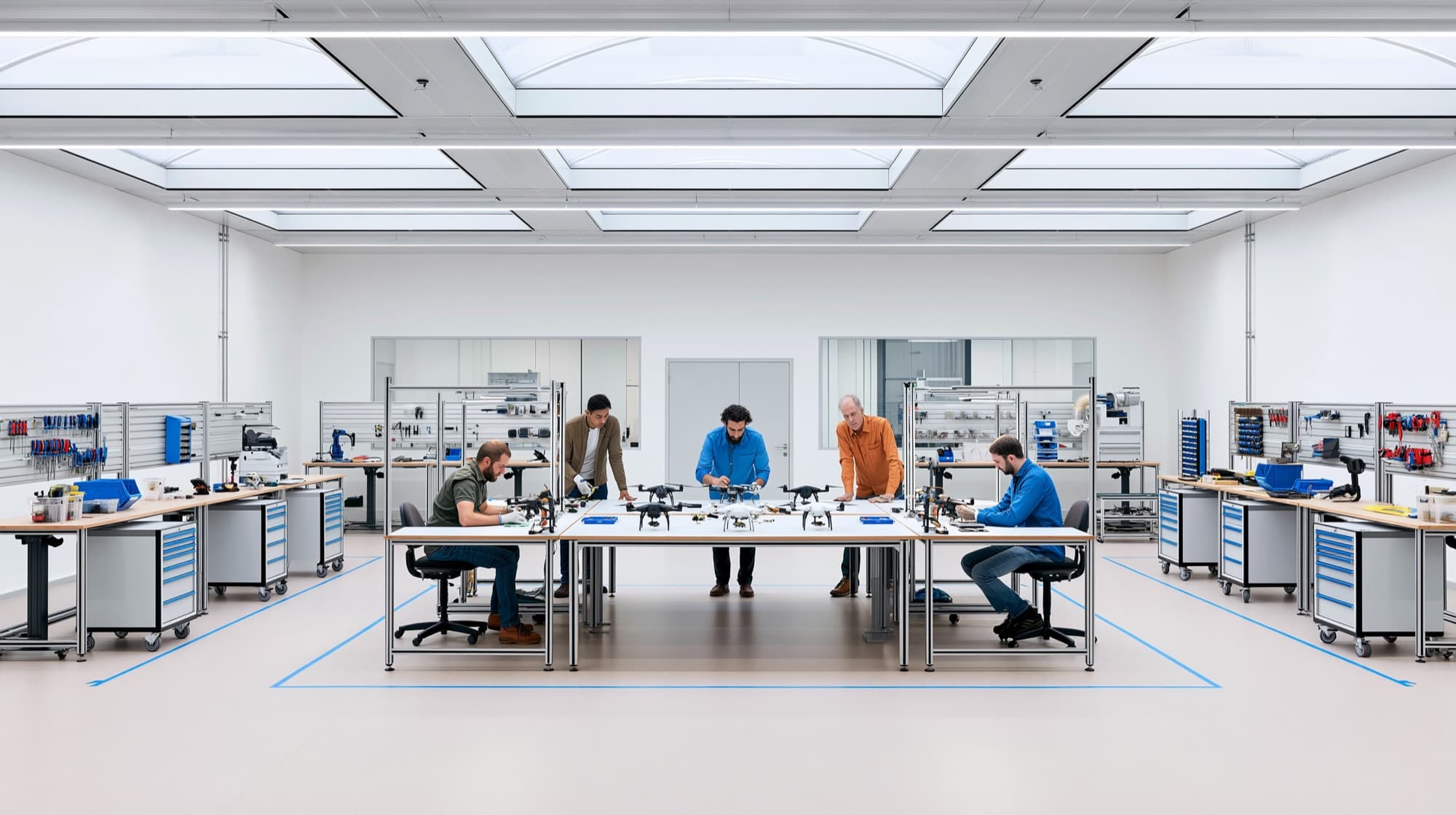
Production Readiness
DfM, suppliers, documentation, golden sample, test fixtures, and quality plan.
- You get
- DfM package, production BOM and quality plan
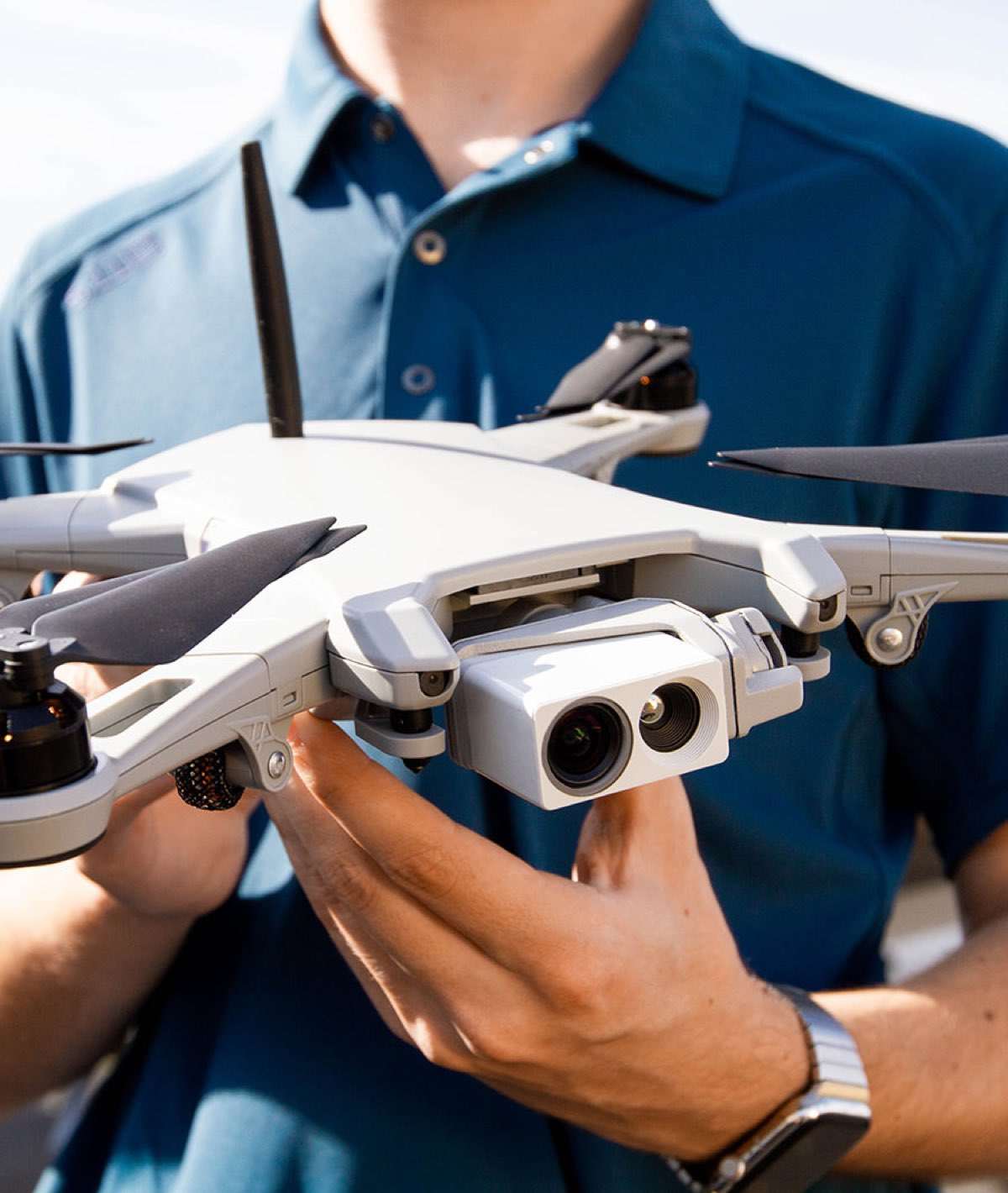
Manufacturing Handoff
Transition to Ascendant manufacturing or an approved production partner.
- You get
- Golden sample and controlled production package, handed to Ascendant manufacturing or an approved production partner
Capabilities
The layers of a drone, by system
- System architecture and requirements
- Aerostructures and mechanical systems
- Electrical engineering and power systems
- Embedded systems and firmware
- RF, communications and datalinks
- Flight controls and navigation
- Payload and sensor integration
- Ground control and operator interfaces
- Prototype fabrication
- Flight test and validation
- DfM and production engineering

The advantage
We reduce technical risk and shorten the path to production
We engineer for the mission, the operator, and the factory from day one.
- Translate customer requirements into practical system architecture.
- Build prototypes with production in mind.
- Identify engineering risks early.
- Design for field use, serviceability, and manufacturing.
- Support iterative development through testing.
- Help customers prepare for LRIP and scale manufacturing.
- Reusable components, such as a Tesla-style ethernet and CAN bus network.
The common thread
Field to Factory Feedback Loop
One path, four stages, and the same platform under all of them. What the last stage learns is what the first stage designs against next.
Define the Right Product
Mission requirements, customer discovery, system architecture, technical feasibility, product roadmaps, and development planning align the program before major capital is committed.
Engineer the Complete System
Integrated airframe, propulsion, power, electronics, embedded software, flight controls, communications, payload, ground-control, and autonomy engineering.
Validate & Industrialize
Rapid prototypes, bench and flight testing, design iteration, DFM, supplier qualification, production documentation, golden samples, and LRIP readiness.
Improve through the Field
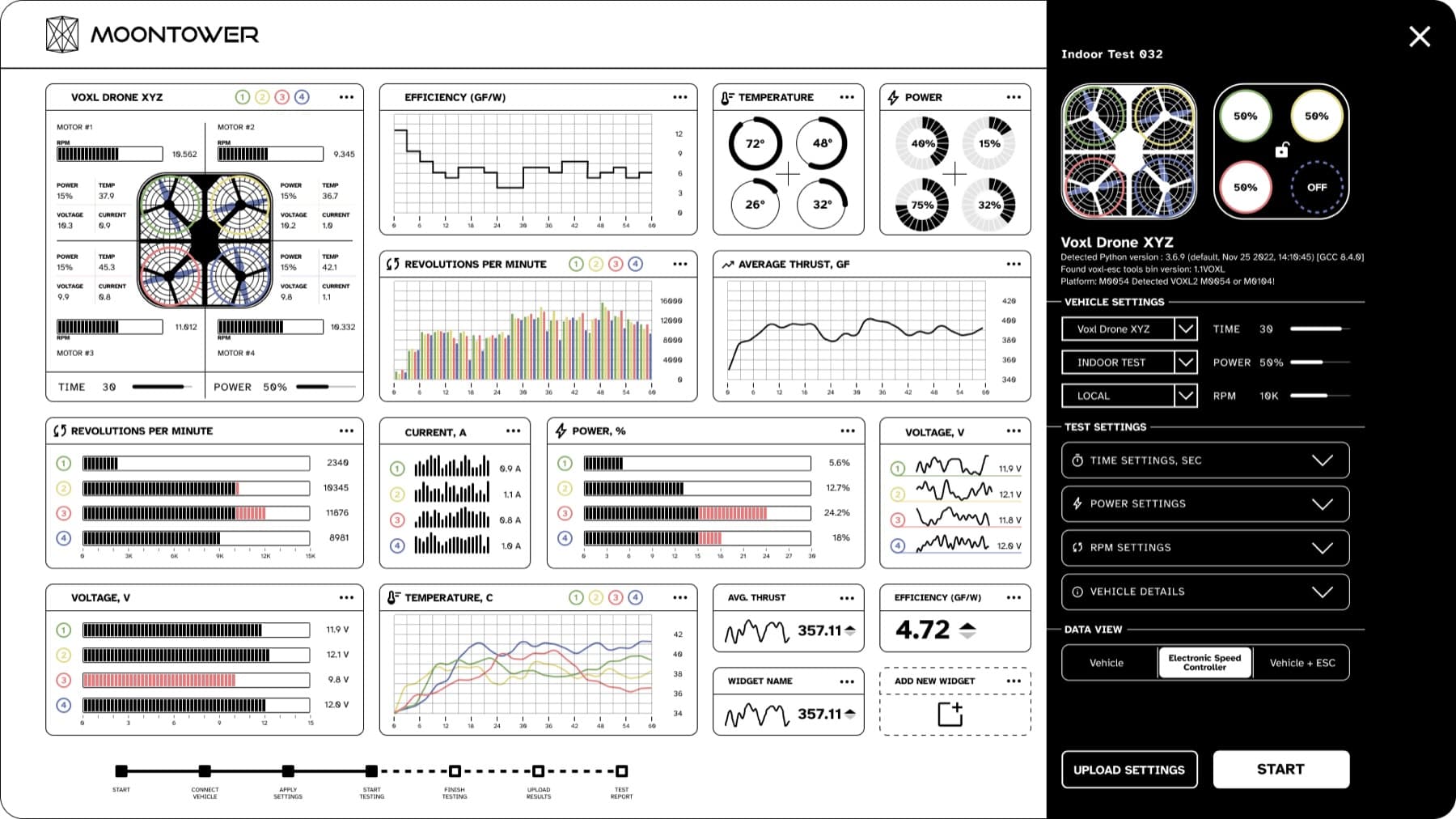
MoonTower captures product usage and performance, detects emerging issues, supports remote diagnostics, and enables over-the-air software updates after deployment.
Powered by the Ascendant Engineering Platform
A reusable, AI-enabled development system that creates a continuous path.
Now advancing through a published one-year roadmap toward Ascendant's next-generation AI-driven business operating system.
Engineering to manufacturing
Engineering does not end when the prototype flies.
What crosses from engineering into production, and what a manufacturer needs before the first build.
- Controlled drawings
- Production BOM
- Supplier and country-of-origin records
- Assembly instructions
- Test procedures
- Inspection criteria
- Golden sample
- Configuration baseline
- Manufacturing risk register
Selected work
Real programs, real hardware
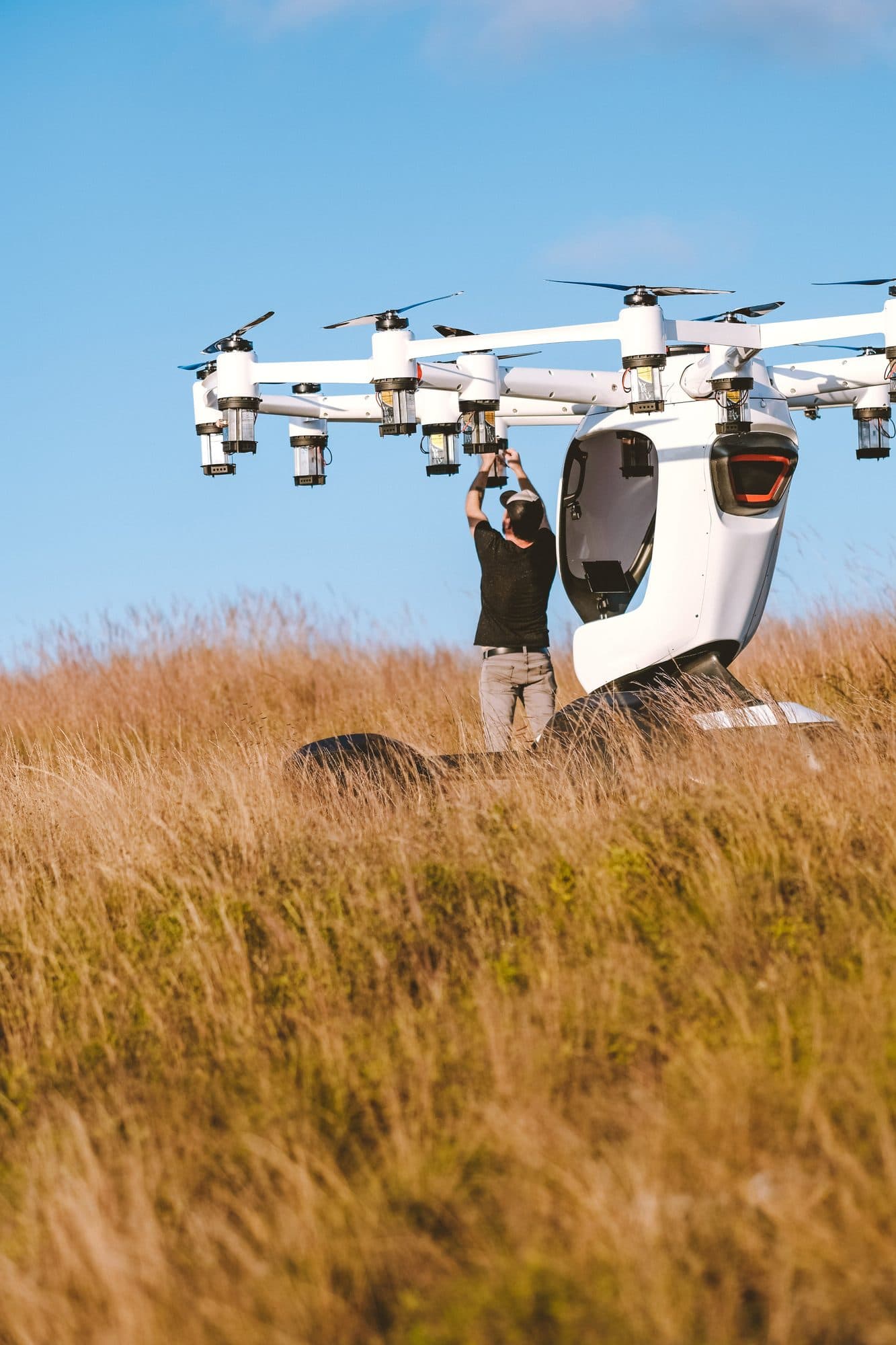
LIFT Aircraft HEXA
- Challenge
- An eVTOL aircraft, and the early publicity around it.
- Our role
- Our team members supported HEXA development, flight testing, and launch on its path to U.S. serial production.
- Engineering performed
- Work on the HEXA eVTOL and on the early publicity around it, including launch events at SXSW, Jeff Bezos' invitation-only MARS Conference and major industry trade shows, with market testing across urban transport and military use.
- Outcome
- LIFT Aircraft is today one of the leading eVTOL companies in the world.
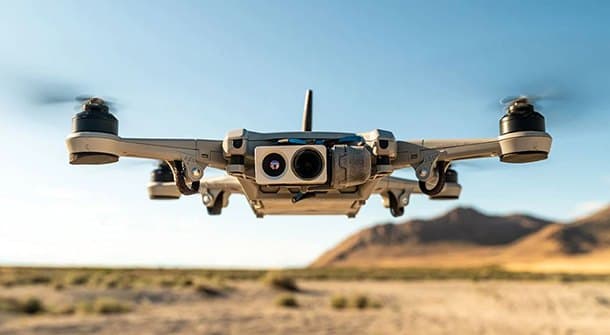
Teal Drones
- Challenge
- Expanding the platform's commercial potential, and its total available market.
- Our role
- Our team members shaped the product vision and market strategy for an American-made tactical drone platform.
- Engineering performed
- Development of product variants aimed at increasing the company's total available market, and support for early sales and marketing to validate product-market fit and build out a reseller network.
- Outcome
- The company's first 100 sales closed.

Amazon Ring
- Challenge
- A highly complex consumer drone product.
- Our role
- Our team members, supporting Amazon's international development team on the Ring drone program.
- Engineering performed
- Contributing to the development and validation of key aircraft systems: remote sensing network development for navigation, airframe development, and real-world flight test execution.
Drone products
Accelerate engineering with reusable components and preconfigured products
Our own line of drone products, designed around the parts of the job an operator actually does.
- Communications
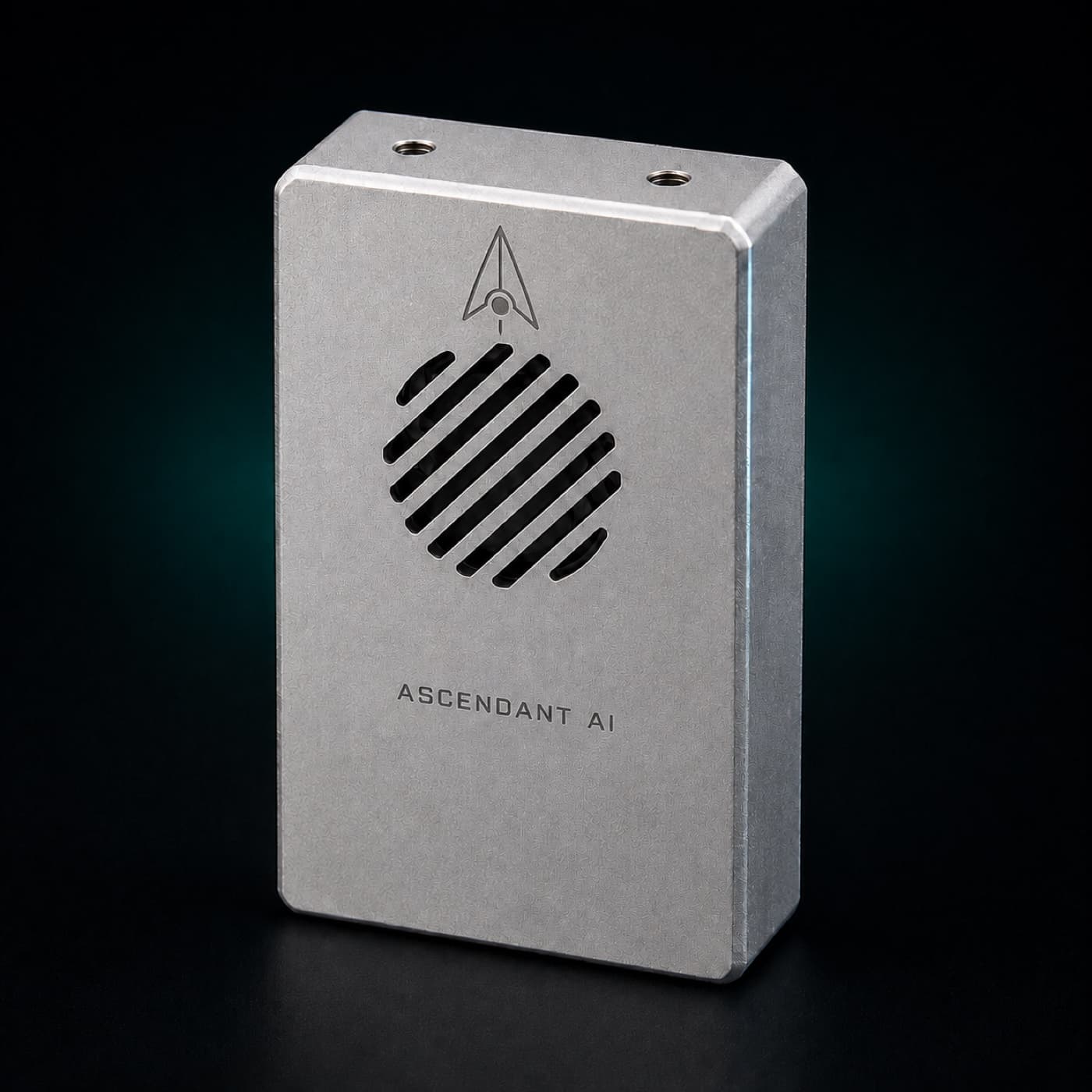
- The DUO radio is being built as the communications layer. In development.
- Control
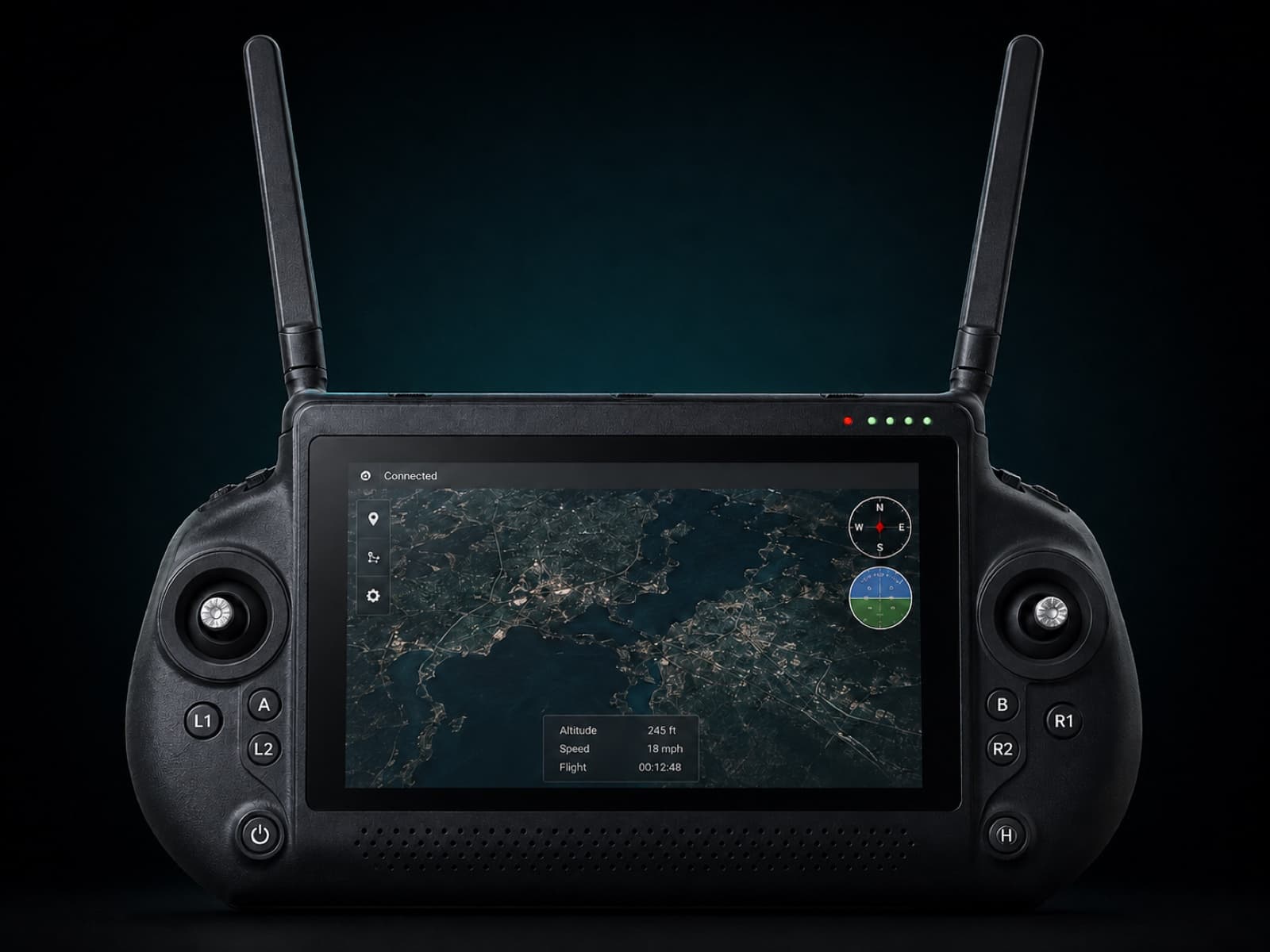
- The RC7 is designed as the operator-control and mission-management layer. Pilot availability.
- Aircraft
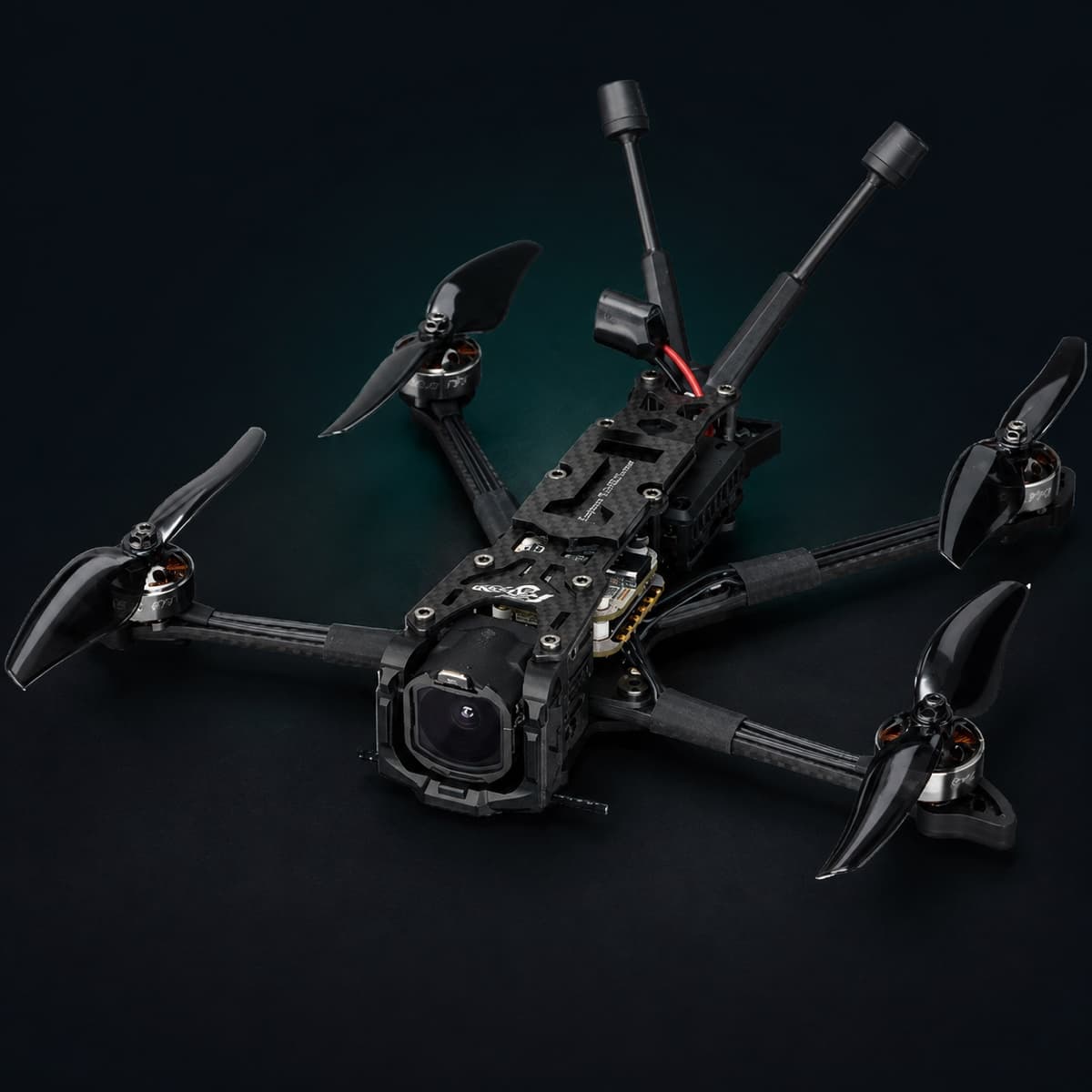
- The FPV drone kit is being built as the tactical aircraft platform. In development.
- Fleet intelligence
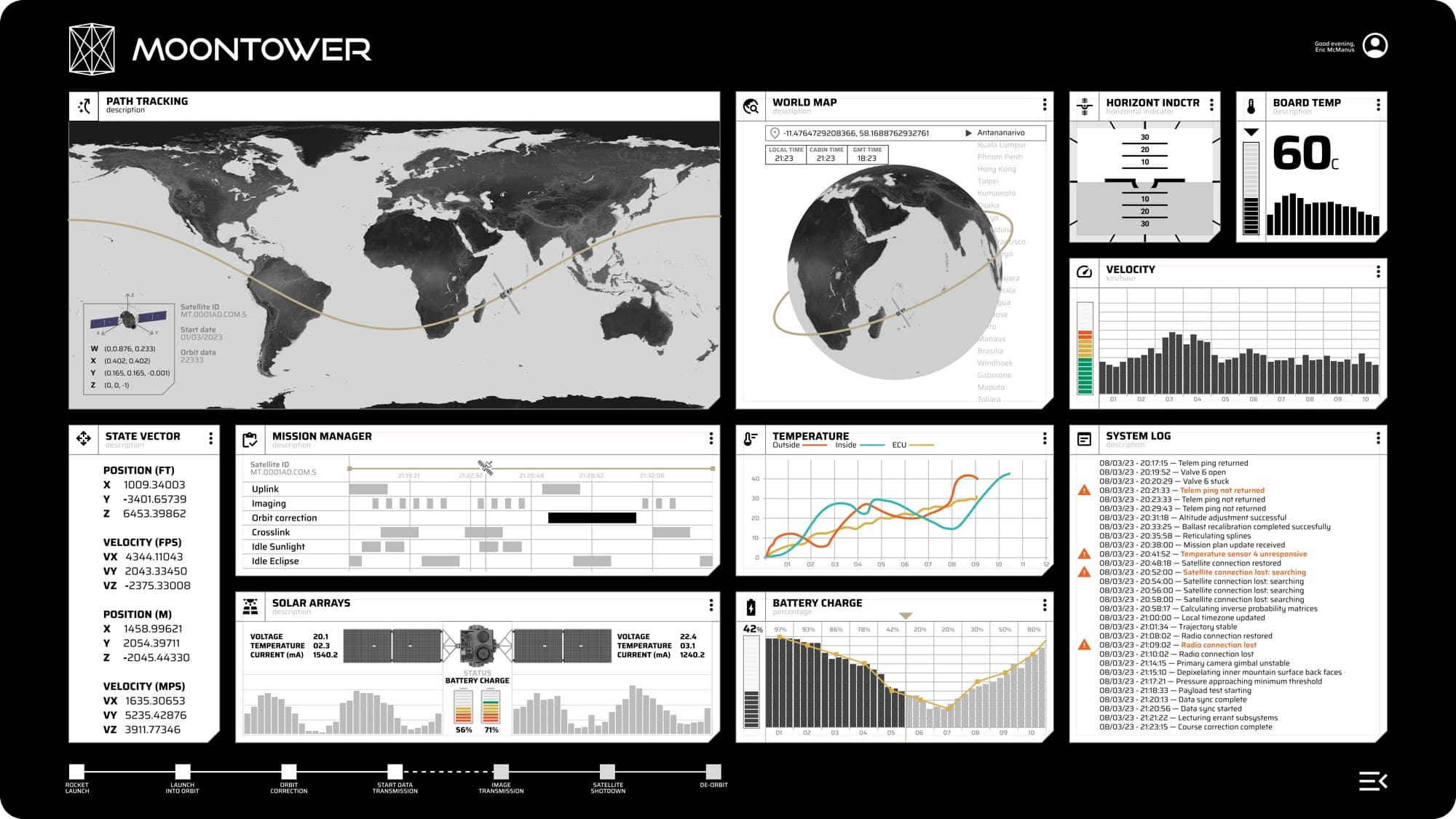
- MoonTower Analytics provides the fleet intelligence, monitoring, update and recurring-software layer. Available now.
Where we come in
Bring us the requirement, the prototype, or the problem.
Tell us where the program stands today. A technical program lead will review the request and respond within one business day.